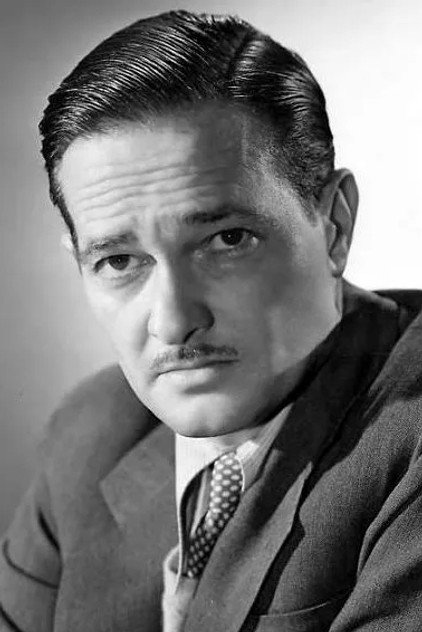
Gregg Toland
Personal information
- Known for
- Camera
- Known credits
- 63
- Gender
- Male
- Born
- May 29, 1904
- Died
- September 26, 1948
- Place of birth
- Charleston, Illinois, USA
Biography
From Wikipedia
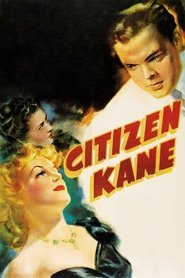
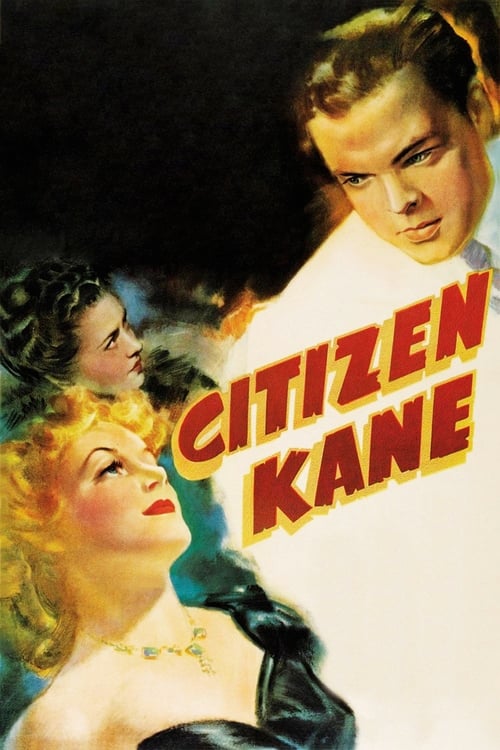
Gregg Toland, A.S.C. (May 29, 1904 – September 28, 1948) was an American cinematographer noted for his innovative use of lighting and techniques such as deep focus, an example of which can be found in his work on Orson Welles' Citizen Kane.
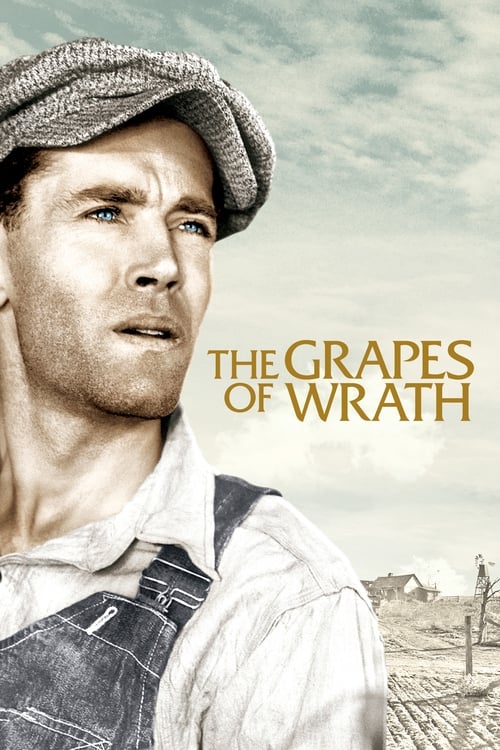
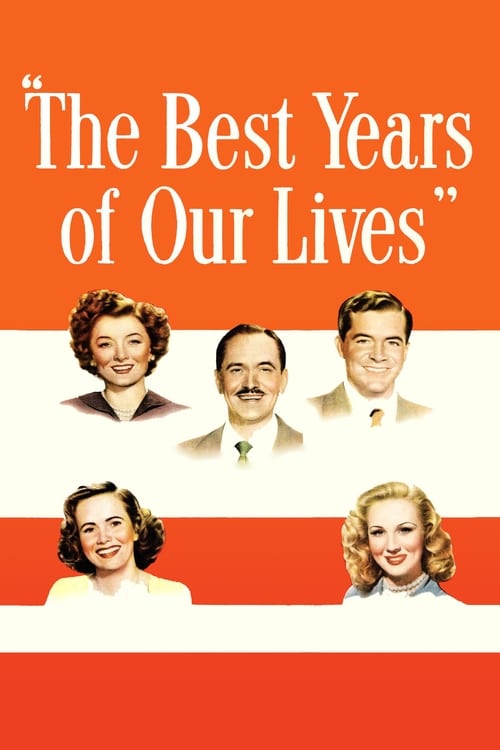
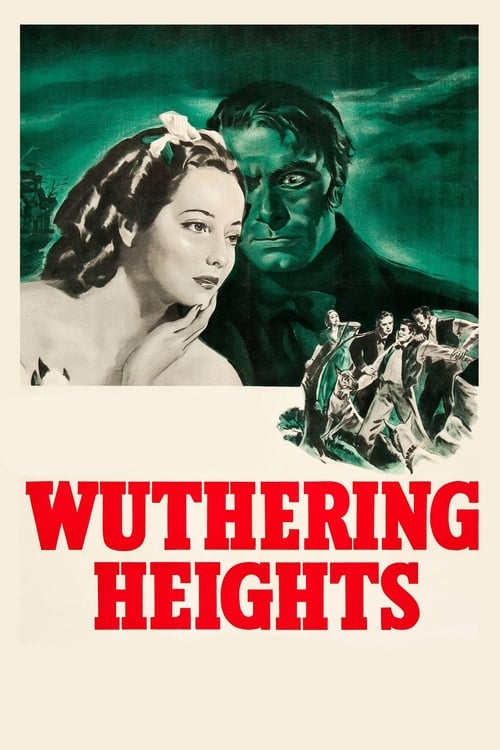
Toland was born in Charleston, Illinois on May 29, 1904. During the 1930s, Toland became the youngest cameraman in Hollywood but soon one of its most sought-after cinematographers. Over a seven-year span (1936–1942), he was nominated five times for the "Best Cinematography" Oscar, including a win in 1940 for his work on Wuthering Heights. He worked with many of the top directors of his era, including John Ford, Howard Hawks, Erich von Stroheim, King Vidor, Orson Welles, and William Wyler.
Toland was the subject of an "Annals of Hollywood" article in The New Yorker, "The Cameraman," by Hilton Als (June 19, 2006, p. 46). Just before his death, he was concentrating on the "ultimate focus" lens, which makes both near and far objects equally distinct. He died in Los Angeles, California on September 26, 1948 of coronary thrombosis at age 44. He is interred in the Hollywood Forever Cemetery in Hollywood, California.
Popular
Filmography
Camera
60 titles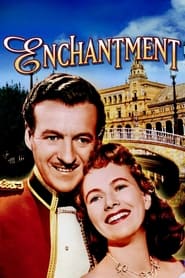

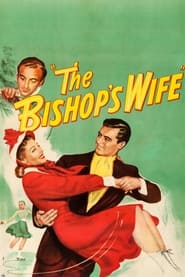
1946